Market Trends and Cement Pricing Trends You Need to Know
The construction industry in India is booming. With rapid urbanization and infrastructure development, cement remains a cornerstone material. But how do you keep up with the ever-changing market trends and cement pricing trends? You need clear, actionable insights to make smart decisions. Let me walk you through the latest shifts, pricing factors, and what you can expect in the near future.
Understanding Cement Pricing Trends in India
Cement pricing trends are influenced by multiple factors. You might wonder why prices fluctuate so often. The answer lies in supply and demand, raw material costs, government policies, and transportation expenses. For example, when fuel prices rise, transportation costs increase, pushing cement prices higher. Similarly, monsoon seasons can slow down construction, reducing demand and sometimes lowering prices.
You should also consider regional variations. Northern India might see different pricing trends compared to southern states due to logistics and local demand. Keeping an eye on these trends helps you plan procurement better and avoid last-minute price shocks.
Key factors affecting cement pricing trends:
Raw material availability and cost (limestone, gypsum)
Energy costs (coal, electricity)
Transportation and logistics expenses
Government regulations and taxes
Seasonal demand fluctuations
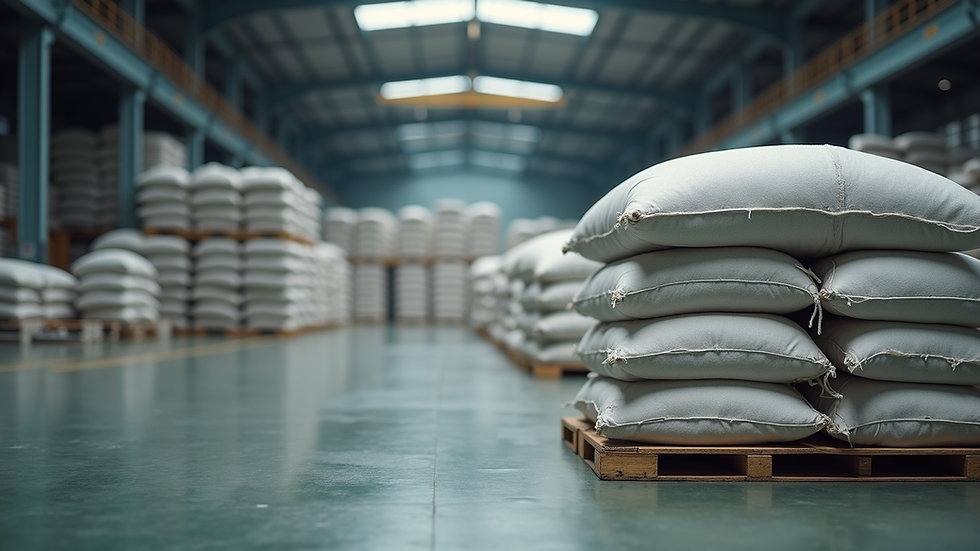
How much for 1 bag of cement?
One of the most common questions I get is, "How much for 1 bag of cement?" The price of a single 50 kg bag varies depending on the brand, region, and current market conditions. On average, you can expect prices to range between INR 320 to INR 400 per bag in most parts of India.
But remember, this is not a fixed number. Prices can change weekly or even daily based on market dynamics. Bulk purchases often come with discounts, so if you’re buying for a large project, negotiate with suppliers for better rates.
To get the most accurate and up-to-date cement price, always check with reliable online marketplaces or local dealers. This helps you stay competitive and manage your project budget effectively.
Emerging Market Trends Impacting Cement Demand
The Indian construction sector is evolving fast. New trends are shaping how cement is consumed and priced. For instance, the rise of affordable housing projects and government initiatives like Smart Cities are driving demand for quality cement at competitive prices.
Sustainability is another big trend. Builders are increasingly looking for eco-friendly cement options that reduce carbon footprints. This shift is influencing manufacturers to innovate and offer blended cements or alternative materials, which might affect pricing structures.
Additionally, digital procurement platforms are transforming how builders and suppliers interact. These platforms provide transparency in pricing and availability, reducing delays and ensuring consistent supply.
What you should watch for:
Increased demand from affordable housing and infrastructure projects
Growing preference for green and blended cement products
Adoption of digital marketplaces for procurement
Fluctuations due to raw material import-export policies

Tips to Navigate Cement Pricing Trends Effectively
You don’t have to be at the mercy of fluctuating prices. Here are some practical tips to help you manage cement procurement smartly:
Plan Ahead: Forecast your cement needs based on project timelines. Early bulk purchases can save money.
Compare Prices: Use online platforms to compare prices from multiple suppliers.
Negotiate: Don’t hesitate to negotiate better rates, especially for large orders.
Monitor Market News: Stay updated on fuel prices, government policies, and seasonal trends.
Consider Quality: Cheaper cement might save money upfront but can cost more in repairs later. Always prioritize quality.
By following these steps, you can reduce risks and keep your projects on budget and on time.
What Lies Ahead for Cement Pricing Trends?
Looking forward, cement pricing trends will continue to be dynamic. Factors like global energy prices, infrastructure spending, and environmental regulations will play major roles. You can expect some volatility but also opportunities for cost savings through innovation and digital tools.
As India pushes for more sustainable construction, blended and green cement products will gain traction. This might initially affect prices but will offer long-term benefits in durability and environmental impact.
Staying informed and flexible is your best strategy. Use technology, build strong supplier relationships, and keep a close eye on market signals. This way, you’ll be ready to adapt and thrive no matter how the market shifts.
By understanding these market trends and cement pricing trends, you’re better equipped to make smart purchasing decisions. Remember, the right information at the right time can save you money and keep your projects running smoothly. Keep learning, stay proactive, and watch your construction business grow.


Comments