Easy Procurement Workflow to Streamline Costs and Strengthen Supplier Relationships
Procurement can either keep a construction project moving or quietly slow it down. A missing fixture, late lumber delivery, unclear approval, or mismatched invoice can create delays that ripple across the schedule.
A good procurement process does not need to be complicated. The best systems are simple enough for field teams to follow, clear enough for accounting to verify, and consistent enough for suppliers to trust. An easy procurement workflow gives every purchase a path, from the first request to the final payment.
That path helps builders control costs, reduce rework, avoid last-minute buying, and build stronger supplier relationships over time.

Start with a clear purchase need
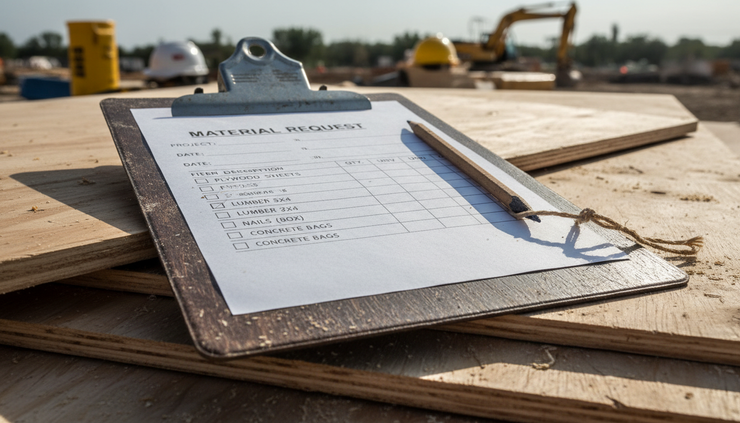
Every smooth procurement process starts before anyone places an order. The first step is to define what is needed, why it is needed, when it is needed, and who is responsible for approving it.
Vague purchase requests create confusion. A request for “more tile” or “additional framing material” leaves too much room for interpretation. A supplier may quote the wrong product. A project manager may approve a cost without knowing the impact. A crew may receive materials that do not match the plan.
A strong request should include:
The item name, size, model, grade, or specification
The required quantity
The job name or cost code
The delivery location
The needed delivery date
Any approved alternates
The person requesting the purchase
The person responsible for approval
This step sounds basic, but it prevents many common problems. When the request is complete, the rest of the process becomes easier.
For example, instead of requesting “windows for Lot 12,” the request should list the manufacturer, model, rough opening sizes, finish, glass type, grid pattern, delivery date, and installation phase. That level of detail helps the supplier quote accurately and helps the builder avoid change orders or returns.
A standard request form also helps control spending. If every request includes a cost code and project phase, teams can compare actual spending against the budget before approving the purchase.
Tip for efficiency
Create templates for common purchase categories. Framing lumber, drywall, roofing, cabinets, fixtures, and HVAC equipment all need different details. Templates reduce back-and-forth and help new team members follow the same process.
Turn requests into approved purchase orders
Once a purchase need is clear, the next step is approval. This is where many procurement systems get messy. Requests may sit in email threads, get approved by text, or move forward without the right budget check.
A purchase order fixes that problem. It creates a formal record of what was approved, who approved it, what it should cost, and where it should go.
A simple workflow looks like this:
Step | What happens | Why it matters |
Request | A team member submits a complete material or service need | Captures the details before money is spent |
Review | A manager checks scope, budget, and timing | Prevents duplicate or unnecessary buying |
Quote | One or more suppliers provide pricing and availability | Confirms cost and lead time |
Approval | The right person approves the purchase | Keeps spending under control |
Purchase order | The order is issued with terms and delivery details | Creates a shared record for builder and supplier |
Receipt | Materials or services are confirmed | Verifies that the order was fulfilled |
Invoice match | The invoice is checked against the PO and receipt | Reduces billing errors |
Payment | The supplier is paid based on agreed terms | Builds trust and keeps accounts current |
The purchase order should not slow the job down. It should make the job easier to manage. A clean PO gives suppliers the information they need and gives internal teams a record they can rely on later.
A useful PO includes:
Supplier name and contact
PO number
Job name and cost code
Item descriptions and quantities
Unit prices and total cost
Delivery date and location
Tax, freight, or handling costs
Payment terms
Special instructions
When a supplier receives a complete PO, they do not need to guess. That saves time for both sides.
Tip for cost control
Set approval thresholds. A small purchase may only need a superintendent’s approval. A larger order may need review by project management or accounting. Thresholds keep low-risk purchases moving while adding control where it matters most.
Compare suppliers on more than price
Low price matters, but it should not be the only factor in supplier selection. A low quote can become expensive if the supplier misses delivery windows, ships incomplete orders, substitutes materials without approval, or creates invoice issues.
A better process compares price against reliability, service, quality, and fit for the job.
Builders should track supplier performance in a simple, consistent way. The goal is not to punish suppliers. The goal is to spot patterns and make better decisions.
Useful supplier measures include:
On-time delivery
Quote response time
Order accuracy
Product availability
Quality of materials
Handling of backorders
Invoice accuracy
Willingness to communicate early when problems arise
A supplier that charges slightly more but delivers correctly and on time may save money across the full project. Fewer emergency purchases, fewer crew delays, and fewer returns often outweigh a small price difference.
This is especially true for long-lead items such as windows, doors, cabinets, trusses, mechanical equipment, and specialty finishes. For these purchases, lead time and communication can matter as much as the unit cost.
The cheapest order is not always the lowest-cost order. Delays, rework, and missing information can add cost long after the quote is accepted.
Supplier comparison should also account for volume. Builders that buy repeat materials across multiple jobs can often negotiate better terms. That may include preferred pricing, reserved inventory, standard delivery schedules, or simplified billing.
Tip for reducing costs
Group similar purchases when possible. Buying material job by job may be necessary for some items, but common products can often be bundled. Standardizing frequently used materials gives suppliers more predictable demand and gives builders more buying power.

Keep receiving and invoice checks tight
A procurement workflow does not end when the order is placed. Receiving, invoice matching, and payment are just as important as the purchase itself.
This is where many hidden costs appear. A shipment may arrive short. Materials may be damaged. The invoice may include freight that was not approved. A price may not match the quote. If no one checks those details, the builder may pay for mistakes.
The receiving process should answer three questions:
Did the right items arrive?
Did the right quantities arrive?
Did they arrive in usable condition?
The person receiving the order should compare the delivery ticket against the PO, not just sign and move on. Any shortage, damage, or substitution should be documented right away with notes and photos.
Then comes invoice matching. A simple three-way match compares:
The purchase order
The delivery receipt or completion record
The supplier invoice
If all three match, payment can move forward. If they do not, the issue should be addressed before payment.
This protects both the builder and the supplier. Builders avoid overpaying. Suppliers get fewer payment delays caused by missing paperwork or unclear approvals.
A good invoice process also helps maintain relationships. Suppliers value customers who pay on time and resolve disputes clearly. When a builder has organized records, payment conversations become easier and less emotional.
Tip for stronger relationships
Do not let small issues sit unresolved. If a delivery is short or an invoice does not match, raise the issue quickly and include the PO, receipt, and photos. Clear documentation helps suppliers fix problems faster.
Use technology to remove manual work
Technology matters because procurement has many small steps, and each step creates room for error. Email, spreadsheets, paper tickets, and text messages can work for a while, but they become hard to manage as projects grow.
A digital procurement system can simplify routine tasks and keep information in one place. The goal is not to add complexity. The goal is to reduce manual tracking and make the process easier to follow.
Useful technology features include:
Digital purchase requests
Approval routing
Budget checks by job and cost code
Supplier and item catalogs
Quote comparison
Purchase order creation
Delivery tracking
Photo attachments for receiving
Invoice matching
Reporting by project, supplier, and category
Digital tools also help teams work from the field. A superintendent can submit a request from a jobsite. A project manager can approve it without searching through emails. Accounting can see the PO, receipt, and invoice in the same record.
That visibility reduces duplicate orders and missing information. It also helps teams spot cost trends earlier.
For example, if concrete accessories are running over budget across several jobs, the team can find the pattern before it becomes a larger issue. The cause may be waste, pricing changes, inaccurate estimates, or field ordering habits. Without a shared system, those patterns often stay hidden until the project closes.
Technology can also improve supplier relationships. Suppliers benefit when orders are clear, approvals are fast, and payment documents are complete. Some systems allow suppliers to confirm orders, update delivery status, and submit invoices through a shared portal.
Tip for adoption
Start with the most painful step. If approvals are slow, digitize approvals first. If invoices create the most friction, start with PO and invoice matching. Teams are more likely to use a system when it solves a visible problem.

Build a workflow that suppliers can trust
Better procurement is not only an internal process. Suppliers are part of the workflow, and the quality of that relationship affects cost, speed, and service.
Strong builder-supplier relationships are built on consistency. Suppliers need clear orders, realistic timelines, quick answers, and reliable payment. Builders need accurate quotes, dependable deliveries, fair pricing, and early warnings when issues arise.
The workflow should support both sides.
A few habits make a major difference:
Share project schedules early when possible.
Give suppliers enough lead time for key materials.
Use written POs instead of verbal orders.
Confirm substitutions before shipping.
Keep contact information current.
Pay according to agreed terms.
Review performance without blaming or surprising the supplier.
Builders should also hold regular supplier check-ins for high-volume categories. These do not need to be formal meetings. A short review by phone or email can cover upcoming demand, pricing changes, product availability, delivery concerns, and open invoice issues.
The best supplier conversations happen before there is a crisis. If a product line is experiencing delays, early notice gives the builder time to adjust the schedule or approve an alternate. If a builder has a large upcoming need, early notice helps the supplier plan inventory.
Standardization also helps. When builders use consistent product selections across similar jobs, suppliers can prepare more effectively. That can lead to better availability, cleaner quotes, and fewer mistakes.

Make the process simple enough to repeat
A procurement workflow works best when people can follow it on a busy day. If the process is too complicated, teams will work around it. If it is too loose, costs and mistakes will grow.
The right balance is a clear path with enough control to protect the project:
Define the need.
Check scope, budget, and timing.
Get pricing and availability.
Approve the purchase.
Issue a purchase order.
Receive and verify the order.
Match the invoice.
Pay on time.
Review supplier performance.
This cycle gives builders better cost control and gives suppliers a more reliable way to serve the job. It also creates a record that helps with estimating, scheduling, accounting, and future purchasing.
The next step is to review the current process and find the biggest source of friction. It may be unclear requests, late approvals, rushed buying, missing delivery records, or invoice disputes. Fix that point first, then move to the next one.
Small improvements add up quickly. A cleaner request form, clearer approval rules, better PO discipline, and stronger supplier communication can turn procurement from a daily headache into a steady system that supports every project.



Comments