Factors Influencing Ready-Mix Concrete Costs
When you plan a construction project, understanding the factors influencing ready-mix concrete costs is crucial. Concrete is the backbone of any building, and its price can significantly impact your budget. But what exactly drives these costs? Let me walk you through the key elements that shape the price of ready-mix concrete. By the end, you’ll have a clear picture of what to expect and how to manage your expenses effectively.
Understanding Ready-Mix Concrete Costs
Ready-mix concrete costs vary widely depending on several factors. You might wonder why prices fluctuate so much from one project to another. The answer lies in the complexity of production, transportation, and material quality.
First, the raw materials used in concrete—cement, sand, gravel, and water—play a major role. Cement prices can change due to supply chain issues or demand spikes. Sand and gravel costs depend on local availability and extraction costs. Water quality and quantity also matter, especially in regions with water scarcity.
Second, production methods affect costs. Modern batching plants with automated systems produce consistent quality but come with higher operational costs. Smaller plants might charge less but could compromise on quality or delivery speed.
Third, transportation is a big factor. Ready-mix concrete must be delivered quickly to avoid setting before use. The distance from the batching plant to your site directly impacts the price. Longer distances mean higher fuel costs and potential delays, which can increase your overall expenses.
Finally, project specifications influence costs. If your project requires special concrete mixes—like high-strength, quick-setting, or colored concrete—expect to pay more. Custom mixes need additional materials or additives, which raise the price.
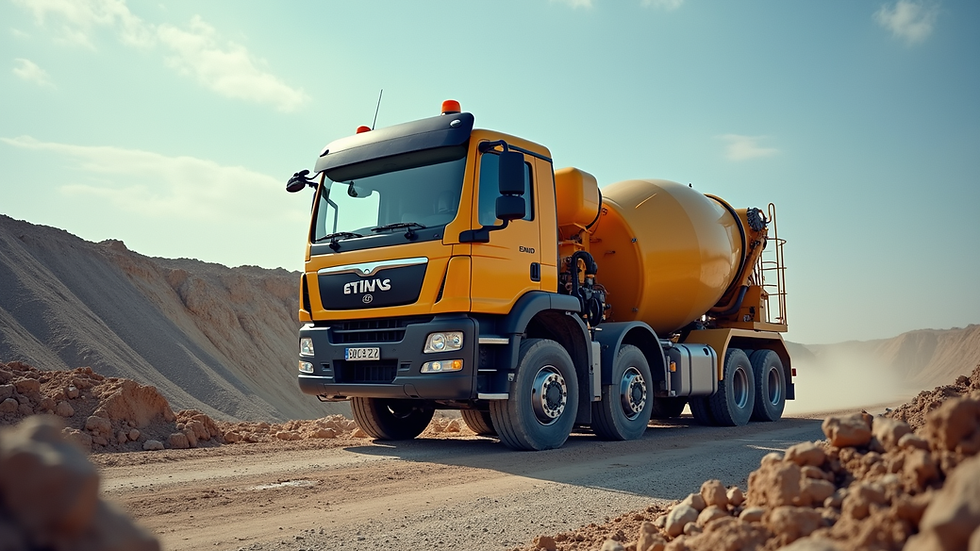
Key Factors Affecting Ready-Mix Concrete Costs
Let’s break down the main factors that influence ready-mix concrete costs in more detail:
1. Material Quality and Type
The quality of cement, aggregates, and additives directly affects the price. Premium cement brands or specialty additives like waterproofing agents increase costs. Using recycled aggregates might reduce expenses but could affect durability.
2. Quantity Ordered
Bulk orders usually come with discounts. If you order large volumes, suppliers often reduce the per-cubic-meter price. Smaller orders might cost more per unit due to fixed handling and delivery charges.
3. Delivery Distance and Timing
As mentioned earlier, the farther your site is from the batching plant, the higher the delivery cost. Also, if you need concrete delivered during off-hours or weekends, expect additional charges.
4. Labor and Equipment
Some projects require on-site pumping or special handling equipment. These services add to the overall cost. Skilled labor for placing and finishing concrete also influences the final price.
5. Market Demand and Seasonality
Concrete prices can fluctuate with market demand. During peak construction seasons, prices tend to rise due to higher demand. Conversely, off-season periods might offer better rates.
6. Regulatory and Environmental Factors
Compliance with local regulations, environmental standards, and quality certifications can add to costs. For example, using eco-friendly materials or adhering to strict quality controls might increase expenses but ensure long-term benefits.
Understanding these factors helps you negotiate better and plan your budget realistically.
What does a 40x60 concrete slab cost?
If you’re considering a 40x60 concrete slab, you’re probably wondering about the cost implications. The price depends on slab thickness, concrete grade, and site conditions.
For a standard 4-inch thick slab, you’ll need approximately 7.4 cubic yards of concrete. The cost per cubic yard varies but typically ranges between ₹4,000 to ₹6,000 in many parts of India. This means your slab could cost anywhere from ₹29,600 to ₹44,400 just for the concrete material.
Keep in mind, this estimate excludes labor, formwork, reinforcement, and finishing costs. If you require a thicker slab or higher-grade concrete for heavy loads, expect the price to increase accordingly.
Here’s a quick breakdown:
Concrete volume: 7.4 cubic yards (approximate)
Concrete grade: M20 or M25 (common grades)
Price per cubic yard: ₹4,000 - ₹6,000
Estimated concrete cost: ₹29,600 - ₹44,400
Additional costs like site preparation, reinforcement steel, and finishing will add to your budget. Always get a detailed quote from your supplier to avoid surprises.

How to Manage and Reduce Ready-Mix Concrete Costs
You don’t have to accept high concrete costs as a given. There are practical ways to manage and reduce expenses without compromising quality.
Plan your order carefully: Avoid last-minute changes that can lead to wastage or rush delivery charges.
Choose the right supplier: Look for suppliers with batching plants close to your site to minimize transportation costs.
Order in bulk: Consolidate your concrete needs to benefit from volume discounts.
Specify the right mix: Don’t over-specify concrete strength or additives if your project doesn’t require them.
Schedule deliveries efficiently: Coordinate with your construction team to ensure timely pouring and reduce waiting times.
Consider alternative materials: In some cases, using recycled aggregates or supplementary cementitious materials can lower costs.
By applying these strategies, you can keep your project within budget while maintaining the quality and durability of your concrete.
Why Ready-Mix Concrete Price Matters for Your Project
Understanding the ready mix concrete price is more than just knowing the numbers. It’s about making informed decisions that affect your project’s timeline, quality, and overall success.
When you know what drives costs, you can:
Negotiate better deals with suppliers.
Avoid unexpected expenses by planning ahead.
Ensure consistent quality by choosing the right materials and suppliers.
Optimize your construction schedule to reduce delays and cost overruns.
Remember, concrete is not just a commodity; it’s a critical building material that shapes the strength and longevity of your structures. Investing time in understanding its pricing factors pays off in smoother project execution and better financial control.
If you want to explore current market rates and get reliable quotes, check out this ready mix concrete price resource for up-to-date information.
Making Smart Choices for Your Construction Needs
Ready-mix concrete costs can seem complex, but with the right knowledge, you can navigate them confidently. Always consider the factors we discussed before finalizing your order. Quality, quantity, delivery, and timing all matter.
By focusing on these elements, you ensure your project stays on track and within budget. Don’t hesitate to ask your supplier detailed questions and request transparent pricing breakdowns. This approach helps you avoid hidden fees and ensures you get the best value for your investment.
Ultimately, smart planning and informed decisions lead to successful construction projects with durable, high-quality concrete that stands the test of time.


Comments